Understanding the current time in Istanbul can serve as a fascinating gateway into geography and world cultures. Istanbul, with its strategic location bridging Europe and Asia, operates on Turkey Time (TRT), which is UTC+3. Whether you are planning a lesson on time zones or introducing your students to Turkey's rich history, knowing what time it is in Istanbul can enhance your lesson plans.
Istanbul is one of the largest cities in Turkey and holds significant historical importance. The city's time zone, Turkey Time (TRT), does not observe Daylight Saving Time, making it consistently three hours ahead of Coordinated Universal Time (UTC). When teaching about world maps and time zones, having a clear understanding of the time in Istanbul helps students contextualize global events and interactions, fostering a deeper appreciation of geographical differences.
Incorporating the concept of time zones into your curriculum can be an enjoyable and educational experience for you and your learners. A simple activity could involve students checking the current time in Istanbul—this is a practical exercise that connects them with a real-time global perspective. They can relate it to local time and discuss how these differences affect communication, travel, and international relations, enhancing the relevance of historical and cultural studies.
Exploring Time Zones
An engaging lesson on time zones could involve mapping out major world cities, including Istanbul. Students can create a world map that highlights important cities along with their time offsets from UTC. This visualization not only makes learning about geography fun but also emphasizes the interconnectedness of cultures across the globe. You might also engage in discussions about how businesses operate across different time zones, linking this to Istanbul’s role as a cultural and economic hub.
Cultural Connections
Understanding what’s the time in Istanbul provides an excellent opportunity to explore Turkish culture. You could incorporate lessons on traditional Turkish customs, food, and famous landmarks while highlighting how time influences daily life in Istanbul. For example, consider discussing local prayer times, meal schedules, or market hours, which may be distinct from your home culture. This kind of cultural immersion makes learning more relatable and fun, fostering curiosity about the world.
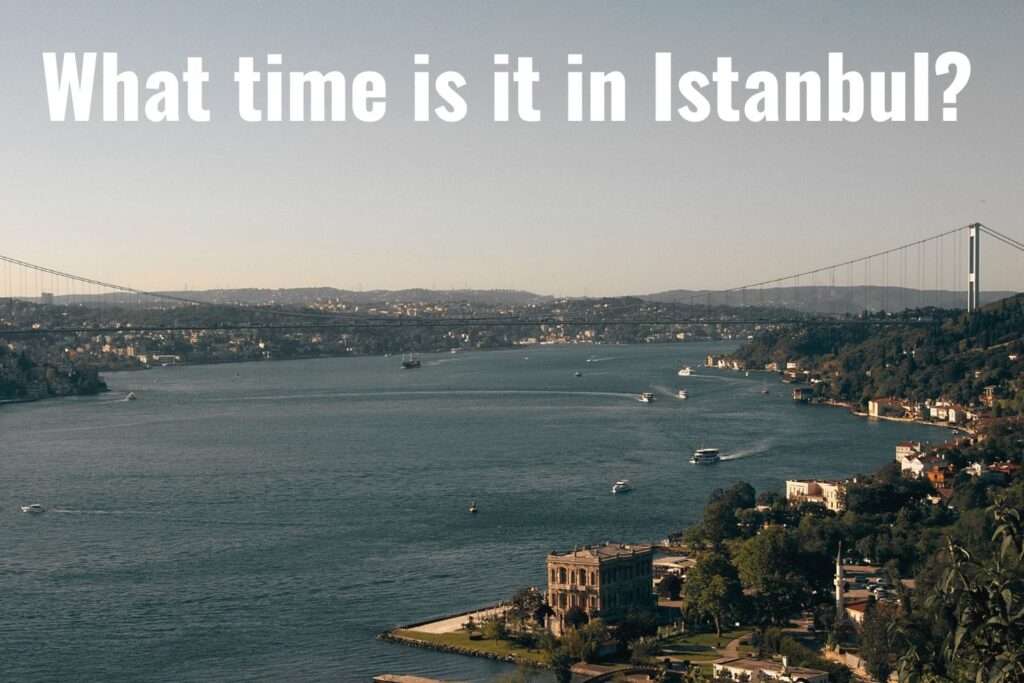
Additionally, you could use virtual tools to connect with classes in Istanbul or other parts of Turkey. Arranging a video call could encourage students to ask their peers about local customs and share their own experiences. This interactive approach helps students grasp geographical concepts while also appreciating cultural differences in everyday life. Utilizing time in real-world contexts like these enriches the learning experience and encourages empathy among students.
Incorporating discussions about time zones can also lead to enhanced critical thinking skills. You can ask students to consider how time influences global communications, such as coordinating meetings or social interactions across different regions. By linking time differences to real-world scenarios, you encourage students to think about the practical implications of geography in their own lives. This thought-provoking dialogue can inspire discussions about globalization and its effects on local cultures, especially in a bustling city like Istanbul.
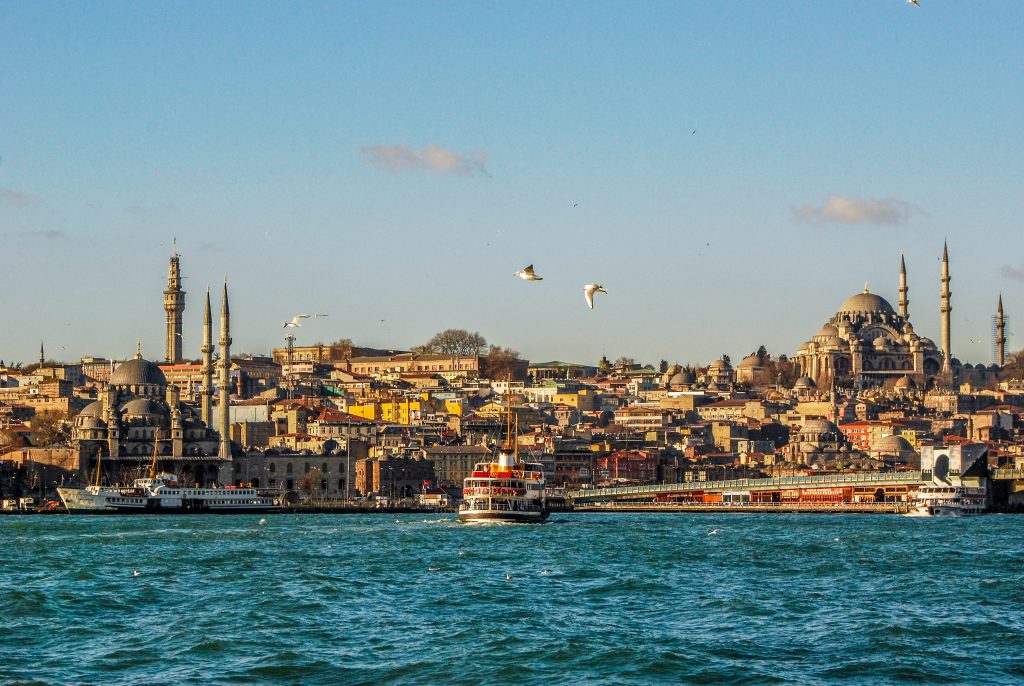
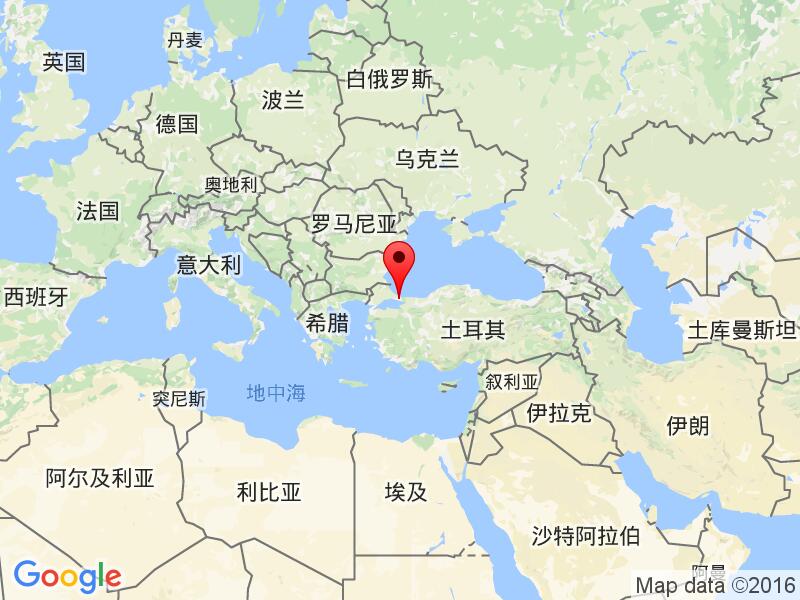
Finally, consider creating a printable map that includes key details about Istanbul, including its time zone, important cultural sites, and historical significance. Such a resource can be a great addition to any homeschool curriculum, providing a physical reference that students can engage with during discussions. By making maps interactive and relevant, you enable students to visualize and understand geographical concepts while fostering a global mindset.