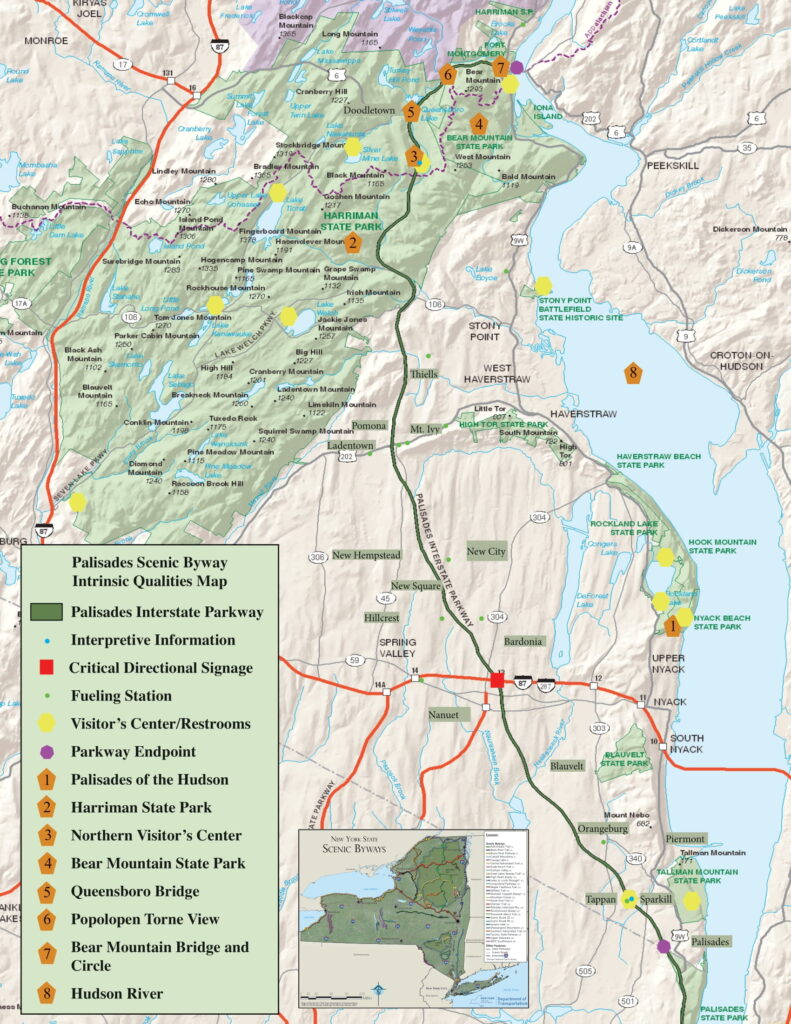
A map of the Palisades offers an engaging way to introduce children to geography and local history. It can be particularly useful in classrooms and at home, where parents can facilitate learning through interactive activities. This rich landscape is filled with opportunities for exploration and discussion.
Families can use a map of the Palisades as a springboard for lessons about both geography and conservation. By discussing the unique features of the Palisades, such as its cliffs and parks, you can spark your child's interest in nature and environmental awareness. Incorporating real-world examples enhances the learning experience and makes it more relatable for children.
Interactive Activities
To utilize a map of the Palisades effectively, parents can create various engaging activities at home or in the classroom. For instance, you might start a scavenger hunt where children have to find and identify specific landmarks on the map. Alternatively, encourage kids to draw their own version of the map, highlighting features they find interesting, which reinforces their understanding of geographical layout and features.
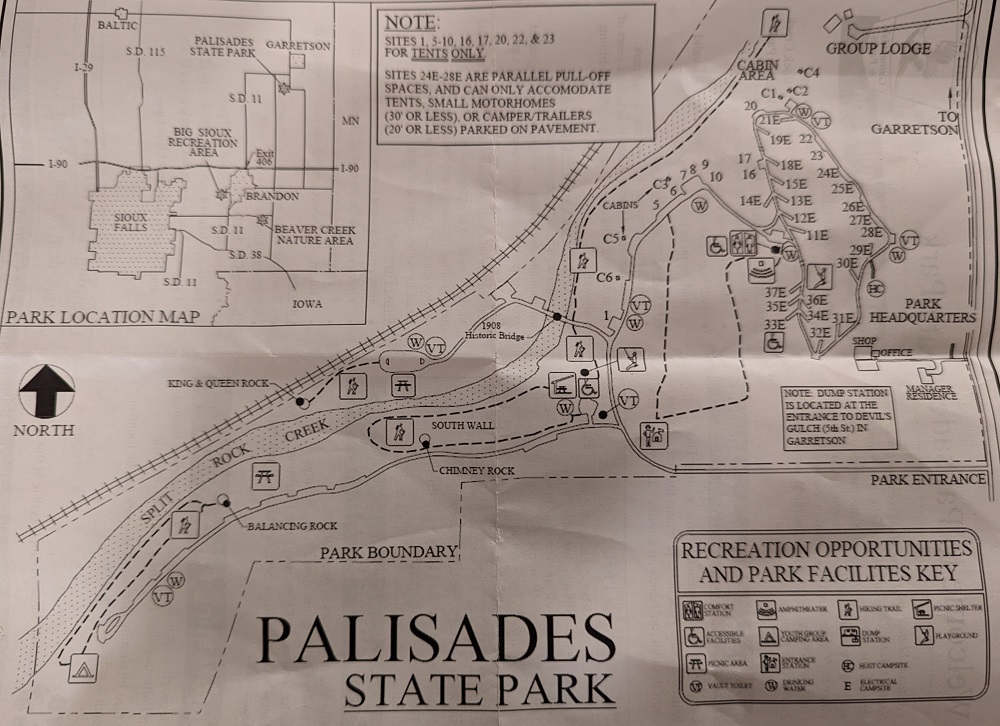
As an additional exercise, consider planning a family outing based on the map of the Palisades. Gather your children to discuss potential locations, and let them decide which site to visit based on what they see on the map. This not only makes the learning active but also builds excitement about exploring new places, reinforcing their understanding of navigation and planning.
Historical Significance
Understanding the history associated with the Palisades can further enrich the use of a map of the Palisades in education. Share stories about significant events, like how the Palisades played a role in the early years of American history and the preservation efforts that continue today. You could encourage your child to research a historical figure associated with the area and present their findings, thereby combining geography with historical inquiry.
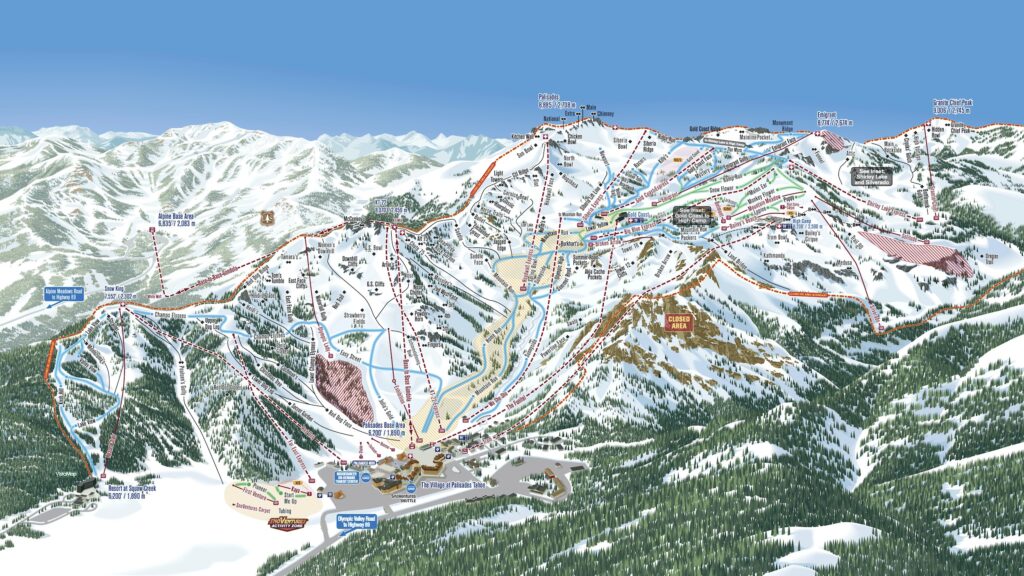
In addition to practical applications, a map of the Palisades can inspire creative projects. Children can create their own legends or stories based on sites marked on the map. This imaginative exercise fosters literacy skills while allowing children to connect with their surroundings in a personalized way. Questions like 'What would you find if you explored this area?' can encourage critical thinking and creativity.
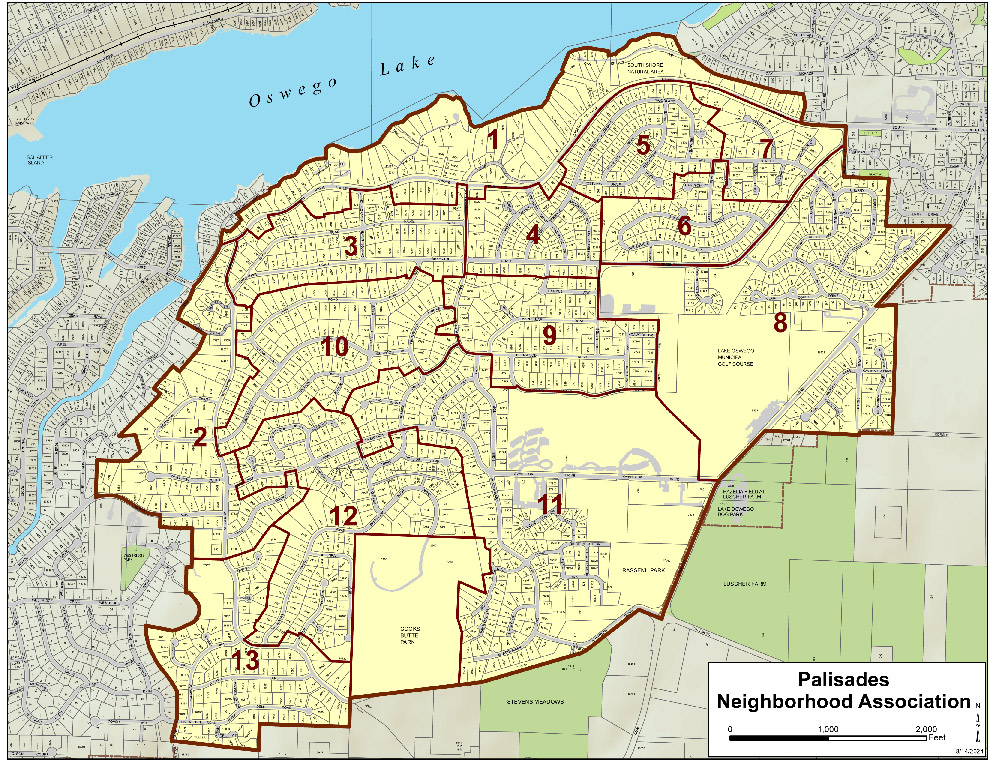
Finally, make sure to periodically revisit the map of the Palisades to reinforce what your children have learned. Establishing a tradition, whether it's monthly adventures or annual family outings, will help solidify their knowledge and foster a lasting appreciation for geography and nature. By incorporating a mix of exploration, storytelling, and creative projects, you can turn the map into a cherished educational tool.