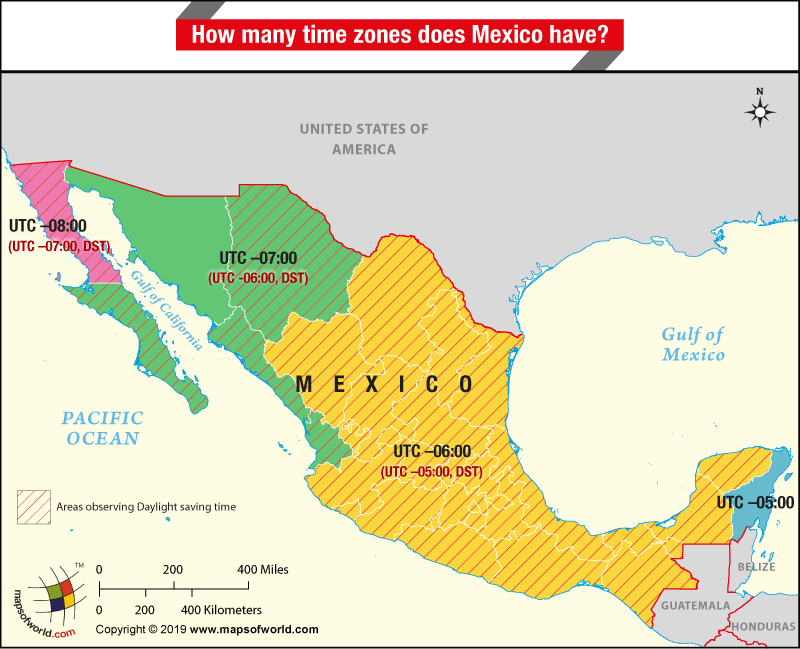
Mexico spans several time zones due to its vast geographical area. The nation primarily observes four time zones: Pacific Standard Time (PST), Mountain Standard Time (MST), Central Standard Time (CST), and Eastern Standard Time (EST). Understanding these time zones is essential for travel, communication, and planning.
The main time zone in Mexico is Central Standard Time (CST), which is UTC -6 hours. This time zone includes major cities like Mexico City, Guadalajara, and Monterrey. Observing Daylight Saving Time (DST), CST shifts to Central Daylight Time (CDT) or UTC -5 hours from the first Sunday in April to the last Sunday in October. This adjustment can affect schedules, so it's important to stay aware of the time changes throughout the year.
Overview of Time Zones
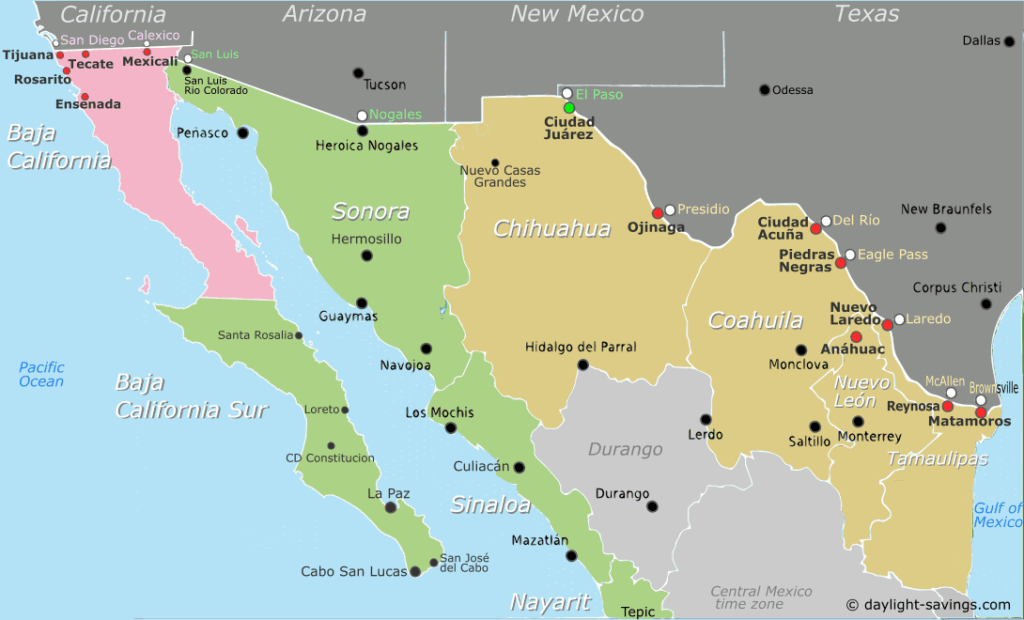
Interestingly, some regions in Mexico do not observe Daylight Saving Time, such as the state of Sonora, which shares a border with Arizona. This can lead to confusion, especially for travelers and students who might be coordinating events or communications across different states. Further complicating matters, some areas of Quintana Roo, including popular tourist locations like Cancun, have opted to stay in Eastern Standard Time (EST) year-round, effectively giving them the same time as the eastern United States.
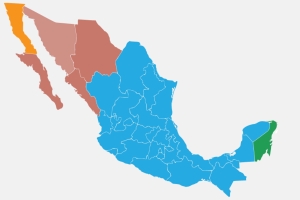
To help illustrate the time zones in Mexico, consider an example: When it is 12:00 PM in Mexico City (CST), it will be 10:00 AM in Los Angeles (PST) and 9:00 AM in Phoenix (MST). These differences are crucial for coordinating calls, meetings, or travel. Therefore, students learning about these time zones should familiarize themselves with a map of Mexico to visualize how the country is divided into its various time zones and the implications of these divisions on daily life.
Key Differences in Time Zones
Studying the time zone in Mexico can also be beneficial for understanding cultural exchanges and international relations. For instance, business operations between Mexico and the United States require an awareness of time differences to ensure smooth communications. Engaging in cooperative projects, studying abroad, or planning exchanges further underscores the importance of time zone knowledge, especially in academic settings where deadlines need to be communicated clearly.
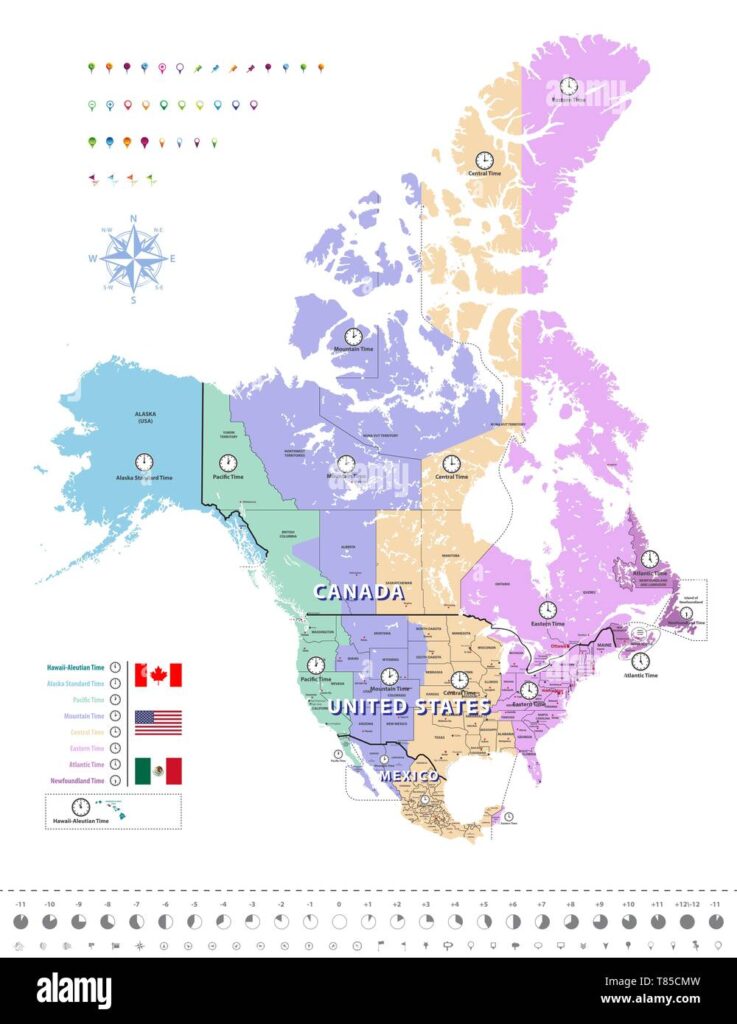
For students and travelers alike, keeping an accurate time zone map handy is invaluable. Printable maps can serve as effective study tools or quick references when planning trips. Many educational websites and resources offer free downloadable maps that highlight the time zones across Mexico. Additionally, using online tools or mobile applications can help convert times easily, making it simpler to keep track of the various time zone differences in schedules and appointments.
In conclusion, understanding the time zone in Mexico is not merely a matter of knowing the clock times; it encompasses navigating the complexities of communication, travel arrangements, and cultural interactions. Being conscious of the time differences enhances learning experiences and helps in respectful interactions across borders. Students should utilize available resources, including detailed maps and digital tools, to gain further insights into time zones and their significance. As global interactions continue to rise, being well-informed about time zones will certainly prove to be a valuable skill.