Knowing the current time in various locations is essential for teachers who coordinate international activities or communicate with global partners. Understanding 'Tel Aviv time now' helps ensure accurate scheduling and effective collaboration. In this article, we delve into how you can incorporate this knowledge into your teaching practices.
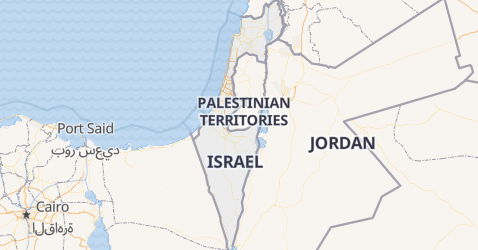
Tel Aviv, a vibrant city on the Mediterranean coast, is in the Israel Standard Time zone (IST), which is UTC+2. However, it observes daylight saving time, moving to UTC+3 from the last Friday in March until the last Sunday in October. This dynamic means that teachers must be aware of the time difference throughout the school year when planning international communication or virtual classrooms with partners in Tel Aviv.
The Importance of Time Awareness
When scheduling events or lessons that involve international collaboration, awareness of time zones becomes crucial. For example, if you're planning a video conference with educators in Tel Aviv, knowing 'Tel Aviv time now' ensures you can choose a time that accommodates both your local schedule and that of your international colleagues. Moreover, this practice reinforces math lessons on time calculations and understanding time zones in geography classes.
In addition to real-time scheduling, understanding Tel Aviv's local time can enhance student projects focused on global awareness. Students could embark on assignments where they compare the daily life of their local community with that of Tel Aviv, considering factors such as time differences in school schedules, business hours, and social interactions. This creates an enriching learning environment where they develop cross-cultural insights and practical skills for a globalized world.
Using Tools for Time Management
To track 'Tel Aviv time now', educators can utilize various digital tools and applications designed for global time management. Websites like timeanddate.com or worldclock.com allow real-time viewing of current times across different cities. Incorporating these resources into your classroom not only aids scheduling but also aligns with digital literacy objectives. Additionally, students can create their own time zone charts as part of an assignment, fostering engagement and a deeper understanding of geographic differences.

Incorporating discussions about the significance of time zones can also tie in with history or social studies lessons. For instance, the influence of geography on trade, cultural exchange, and communication can be examined. By creating a timeline that features major events in Tel Aviv alongside your local historical moments, students can visualize how time and place shape narratives. This exercise encourages critical thinking and helps students draw connections between geographical and temporal perspectives.

Ultimately, grasping 'Tel Aviv time now' is more than a matter of knowing the hour; it's an opportunity to enrich your students' learning experiences. Whether you're scheduling discussions, planning projects, or integrating global education into your curriculum, understanding the nuances of time zones enhances both engagement and effectiveness. It prepares students for a world that is increasingly interconnected and underscores the importance of global awareness in today's education.