Understanding the present time in Munich can enhance your geography lessons and foster cultural curiosity. It helps students grasp time differences across the globe, making lessons more interactive. Using maps and real-time applications, educators can engage their students in learning about time zones effectively.
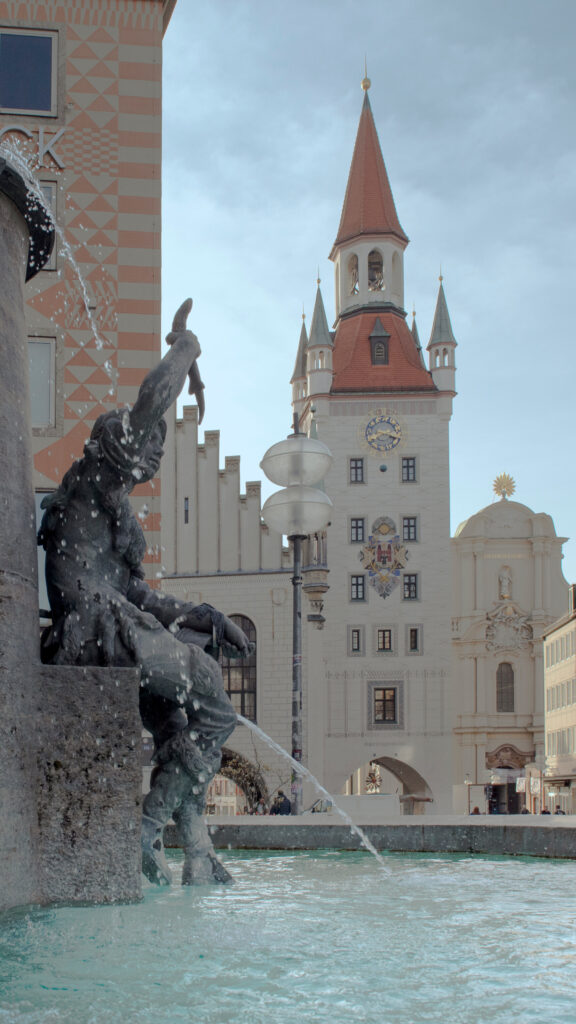
Many homeschool educators find it beneficial to explore the present time in Munich through various visual aids, like maps. Time zone maps illustrate the differences between local time in Munich and other parts of the world. This can be an interactive lesson, where students compare morning and evening in different cities while tracking the time differences.
Understanding Time Zones
Germany operates on Central European Time (CET), which is one hour ahead of Coordinated Universal Time (UTC+1). During Daylight Saving Time, which typically runs from the last Sunday in March to the last Sunday in October, Munich switches to Central European Summer Time (CEST), or UTC+2. By introducing these concepts, students can learn the importance of time zones in daily life, travel, and global communication.
To illustrate the present time in Munich more dynamically, consider creating a classroom or home project that involves a large world map. Students can label countries, highlight major cities, and pin down the local times of each location. Engaging them in practical use will enhance their comprehension of global geography and the intricacies of time zones. This could lead to interesting discussions about how daylight saving affects everyday life.
Interactive Learning Activities
A fun way to reinforce lessons on the present time in Munich is by incorporating hands-on activities. For example, students can create their own clocks showing the local time in Munich compared to their own time zones. Consider utilizing online tools or apps that provide real-time updates for various cities. This can reinforce their understanding of how time works globally and the significance of being aware of time differences in communication and travel.

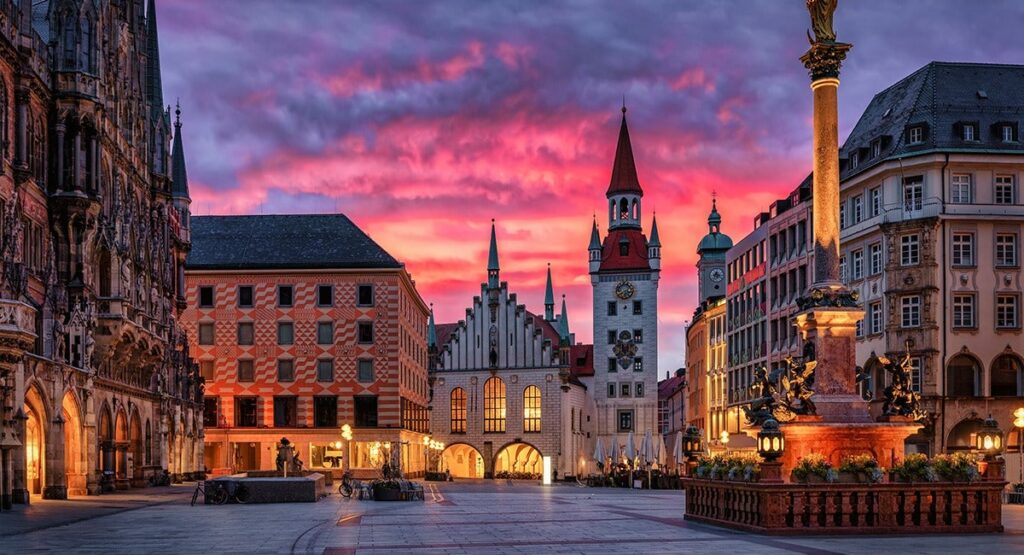
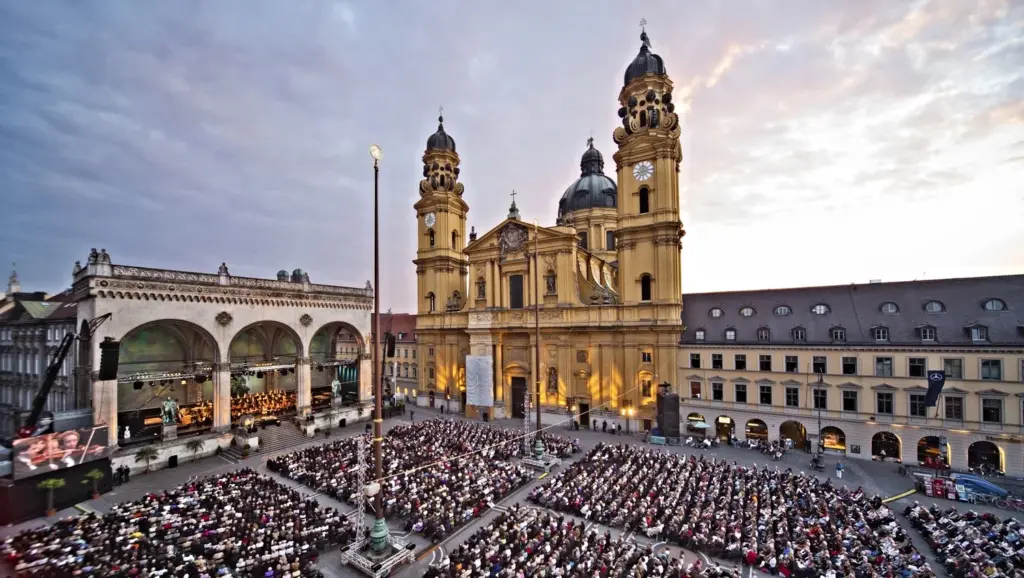
Incorporating cultural lessons alongside the present time in Munich can enrich students' understanding even further. Educators can introduce activities like virtual tours of Munich's historical sites or cultural celebrations that occur at specific times of day. This not only teaches students about time zones but also highlights the rich cultural tapestry of Germany, thereby enhancing their global awareness.
Finally, parents and educators can encourage students to keep a time journal where they note down the present time in Munich alongside their local time over a week. This exercise not only strengthens their math skills but also allows them to observe how daily activities differ across time zones. Such a project promotes awareness of global connectivity and aids in developing critical thinking regarding how we structure our days.